

Oral history and Birmingham food inequality
Research by Sophie Beckett

Sometimes I get a bit weak in the knees when I see the super-original ways in which people are using history and historical methods to do fantastic research. Below is one such example from my home city, which a former colleague kindly pointed out to me. This is reposted from Birmingham Museums.
New report reveals how oral histories can help to promote healthier eating and tackle food inequality in Birmingham
Report shows how oral histories can highlight structural and cultural barriers and facilitators to healthy eating.
Policy recommendations include integrating heritage institutions into food and health policy delivery.
It calls for investment in research on emotion as a pathway to food and health literacy.
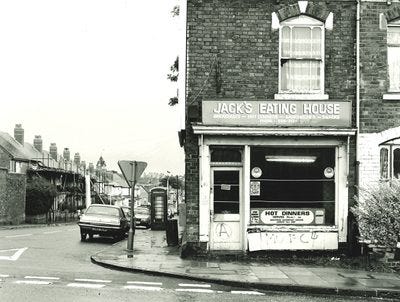
Birmingham Museums Trust has published a new report that reveals how community food stories and museum collections can be powerful tools for promoting healthier eating and tackling food inequalities in the city.
Using Oral Histories: A Methodology for Public Health Advocacy by Sophie Beckett, public health research officer at Birmingham Museums Trust, demonstrates how oral histories can capture lived experiences around food, improve food literacy and help to create more relevant, inclusive approaches to health promotion.
Key findings in the report show that:
oral histories can highlight the structural and cultural barriers and facilitators to healthy eating in Birmingham, bridging local voices to policy level strategy.
revisiting historic oral history positions these resources as strategic public health tools, by aligning food-related heritage with contemporary health priorities.
oral histories can serve as dynamic tools for food literacy, emotional engagement and behaviour change.
To read more, click here.
Good to see this come out! Sophie joined us on a podcast a year or so back to talk about food, history, and her project at BMT: https://www.youtube.com/watch?v=ZQyY23uE6Hs&t=1182s
Did you know she now works at Uni of Birmingham?